Welcome to the future of cloud computing—where innovation meets reliability. Azure Cloud isn’t just another platform; it’s a powerhouse transforming how businesses operate, scale, and innovate. Let’s dive into why Microsoft’s cloud giant is dominating the digital landscape.





What Is Azure Cloud and Why It Matters
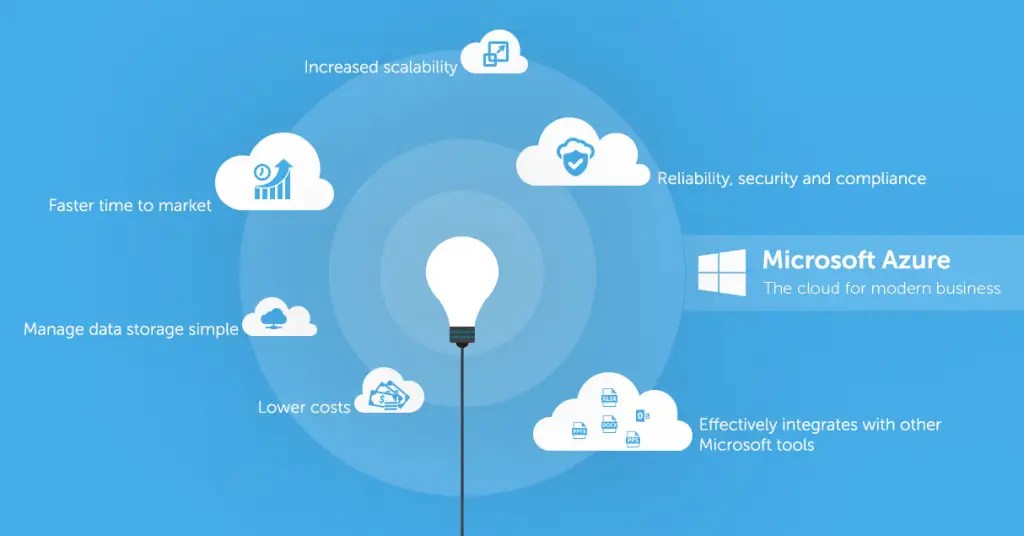
Azure Cloud, officially known as Microsoft Azure, is a comprehensive cloud computing platform that offers over 200 services, including computing, analytics, storage, networking, and more. Launched in 2010, it has rapidly evolved into one of the top three cloud providers globally, competing directly with Amazon Web Services (AWS) and Google Cloud Platform (GCP).
The Evolution of Azure Cloud
Microsoft’s journey into the cloud began with Windows Azure in 2010, a platform focused primarily on application hosting. Over the years, it expanded its capabilities dramatically, rebranding to Microsoft Azure in 2014 to reflect its broader scope beyond just Windows-based services.
- 2010: Launch as Windows Azure, offering Platform-as-a-Service (PaaS).
- 2012: Introduction of Infrastructure-as-a-Service (IaaS) with virtual machines.
- 2014: Rebranded to Microsoft Azure, signaling a shift toward hybrid and enterprise cloud solutions.
- 2018: Azure becomes the first cloud provider compliant with GDPR, boosting trust in data privacy.
- 2023: Azure powers over 95% of Fortune 500 companies, showcasing its enterprise dominance.
“Azure isn’t just about technology—it’s about transformation.” — Satya Nadella, CEO of Microsoft
Core Components of Azure Cloud
Azure Cloud is built on a modular architecture, allowing users to pick and choose services based on their needs. The core components include:
- Compute: Virtual Machines, Azure Functions, App Services, and Kubernetes (AKS).
- Storage: Blob Storage, Disk Storage, File Storage, and Data Lake.
- Networking: Virtual Networks, Load Balancer, Azure DNS, and ExpressRoute.
- Security & Identity: Azure Active Directory, Key Vault, and Security Center.
- AI & Machine Learning: Cognitive Services, Azure ML, and Bot Services.
Each of these components integrates seamlessly, enabling developers and IT teams to build scalable, secure, and intelligent applications.
Azure Cloud vs. Competitors: A Strategic Breakdown
While AWS holds the largest market share in cloud computing, Azure Cloud has been closing the gap with strategic advantages in hybrid cloud, enterprise integration, and Microsoft ecosystem synergy.
Market Share and Global Reach
As of 2024, AWS leads with approximately 32% market share, followed by Azure at 23%, and Google Cloud at 10% (source: Gartner Cloud Market Report). However, Azure’s growth rate has consistently outpaced its rivals, especially in Europe and Asia-Pacific regions.
- Azure operates in 60+ regions worldwide, more than any other cloud provider.
- It supports 140+ countries, ensuring low-latency access and compliance with local data laws.
- Its sovereign cloud offerings (e.g., Azure Government, Azure Germany) cater to strict regulatory environments.
This global footprint makes Azure Cloud a top choice for multinational corporations requiring data residency and compliance.
Hybrid Cloud Leadership
One of Azure’s standout strengths is its hybrid cloud capabilities. Unlike AWS, which is primarily public cloud-focused, Azure offers seamless integration between on-premises infrastructure and the cloud through services like:
- Azure Arc: Extends Azure management to any infrastructure, whether on-prem, multi-cloud, or edge.
- Azure Stack: Brings Azure services into private data centers.
- ExpressRoute: Provides private, high-speed connections from on-prem to Azure.
This hybrid-first approach is a game-changer for enterprises with legacy systems or regulatory constraints that prevent full cloud migration.
Top 7 Powerful Benefits of Azure Cloud
Why are so many organizations betting on Azure Cloud? The answer lies in its unique blend of innovation, integration, and intelligence. Here are seven compelling reasons.
1. Seamless Integration with Microsoft Ecosystem
If your organization uses Microsoft 365, Active Directory, or Dynamics 365, Azure Cloud offers unmatched integration. This synergy reduces complexity, lowers training costs, and accelerates deployment.
- Single sign-on (SSO) across Office 365 and Azure applications.
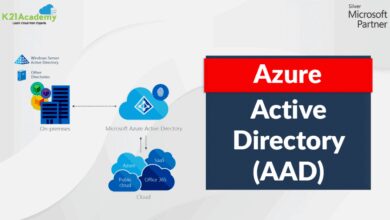
- Unified identity management via Azure Active Directory (AAD).
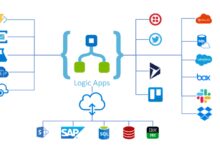
- Automated workflows using Power Automate and Logic Apps.
For example, a company using Teams can leverage Azure Bot Services to create intelligent chatbots that integrate directly into their collaboration platform.
2. Enterprise-Grade Security and Compliance
Security is not an afterthought in Azure Cloud—it’s built into every layer. Microsoft invests over $1 billion annually in cybersecurity and employs more than 3,500 security experts.
- Azure Security Center provides unified security management and advanced threat protection.
- Compliance with over 140 standards, including ISO 27001, HIPAA, SOC 1/2, and GDPR.
- Zero Trust architecture ensures strict access controls and continuous monitoring.
“Azure is the most compliant cloud platform in the world.” — Microsoft Trust Center
This makes Azure Cloud ideal for industries like healthcare, finance, and government, where data protection is non-negotiable.
3. AI and Machine Learning at Scale
Azure Cloud isn’t just about storage and servers—it’s a leader in artificial intelligence. With Azure Cognitive Services, developers can add vision, speech, language, and decision-making capabilities to apps without deep AI expertise.
- Azure Machine Learning: End-to-end platform for building, training, and deploying ML models.
- OpenAI Integration: Azure hosts the exclusive enterprise version of OpenAI’s models, including GPT-4.
- AI Infrastructure: Powered by NVIDIA GPUs and custom Azure AI supercomputers.
Companies like BMW and Starbucks use Azure AI to optimize supply chains, personalize customer experiences, and automate customer service.
4. Cost Efficiency and Flexible Pricing
One of the biggest concerns with cloud adoption is cost. Azure Cloud addresses this with flexible pricing models, cost management tools, and significant savings options.
- Pay-as-you-go: Only pay for what you use, with no long-term commitments.
- Reserved Instances: Save up to 72% on virtual machines with 1- or 3-year commitments.
- Hybrid Benefit: Use existing Windows Server and SQL Server licenses to reduce costs by up to 55%.
The Azure Pricing Calculator and Cost Management + Billing tools help organizations forecast, monitor, and optimize spending in real time.
5. Global Scale and High Availability
Azure Cloud operates one of the most extensive and resilient infrastructures in the world. Its global network ensures high availability, low latency, and disaster recovery capabilities.
- Availability Zones: Physically separate data centers within a region for fault tolerance.
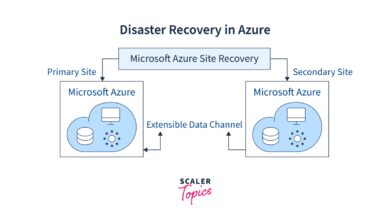
- Disaster Recovery: Azure Site Recovery replicates workloads to secondary regions automatically.
- Content Delivery: Azure CDN delivers content to users with minimal latency.
This scalability is critical for businesses experiencing rapid growth or seasonal traffic spikes, such as e-commerce platforms during holiday seasons.
6. Developer-Friendly Tools and Ecosystem
Azure Cloud empowers developers with a rich set of tools, SDKs, and integrations. Whether you’re building web apps, mobile backends, or microservices, Azure has you covered.
- Visual Studio Integration: Full support for .NET, C#, and other Microsoft languages.
- GitHub Actions: Microsoft-owned GitHub integrates natively with Azure for CI/CD pipelines.
- Open Source Support: Runs Linux, Python, Node.js, Java, and Kubernetes seamlessly.
With Azure DevOps, teams can manage code, plan sprints, automate testing, and deploy applications—all in one place.
7. Sustainability and Environmental Responsibility
In an era of climate consciousness, Azure Cloud stands out for its commitment to sustainability. Microsoft has pledged to be carbon negative by 2030 and remove all historical emissions by 2050.
- Azure data centers are powered by 100% renewable energy in many regions.
- Water-cooled servers and AI-driven cooling systems reduce energy consumption.
- The Azure Sustainability Calculator helps organizations measure their cloud carbon footprint.
By choosing Azure Cloud, businesses not only gain technological advantages but also contribute to a greener planet.
Key Azure Cloud Services You Need to Know
With over 200 services, navigating Azure Cloud can be overwhelming. Here’s a breakdown of the most essential ones every business should consider.
Compute Services: Powering Your Applications
Azure offers a variety of compute options to suit different workloads:
- Azure Virtual Machines: Flexible, scalable VMs for any OS or application.
- Azure App Service: Fully managed platform for web and mobile apps.
- Azure Functions: Serverless computing for event-driven code execution.
- Azure Kubernetes Service (AKS): Managed Kubernetes for containerized applications.
These services allow businesses to run everything from legacy applications to modern microservices without managing underlying infrastructure.
Storage Solutions: Secure and Scalable Data Management
Data is the lifeblood of modern enterprises, and Azure Cloud provides robust storage options:
- Azure Blob Storage: Ideal for unstructured data like images, videos, and backups.
- Azure Disk Storage: High-performance SSDs for VMs.
- Azure File Storage: Cloud-based file shares accessible via SMB/NFS.
- Azure Data Lake: Scalable analytics platform for big data.
With built-in redundancy and geo-replication, Azure ensures data durability and availability even during outages.
Networking and Connectivity
Azure Cloud provides enterprise-grade networking to connect users, applications, and data securely:
- Virtual Network (VNet): Isolated network environment in the cloud.
- Azure Load Balancer: Distributes traffic across multiple VMs for high availability.
- Azure Firewall: Managed, cloud-native network security service.
- Azure ExpressRoute: Private connection from on-premises to Azure, bypassing the public internet.
These services ensure secure, fast, and reliable communication across hybrid and multi-cloud environments.
How to Get Started with Azure Cloud
Starting with Azure Cloud doesn’t have to be intimidating. Whether you’re a developer, IT admin, or business leader, here’s a step-by-step guide to get you up and running.
Step 1: Create an Azure Account
Visit azure.microsoft.com and sign up for a free account. You’ll get $200 in credits and access to over 25 free services for 12 months.
- Choose between Pay-As-You-Go, Free Trial, or Enterprise Agreement.
- Verify your identity with a credit card (no charges until you upgrade).
- Set up billing alerts to avoid unexpected costs.
Step 2: Explore the Azure Portal
The Azure Portal is your central hub for managing resources. It features:
- Dashboard with customizable widgets.
- Search bar to quickly find services.
- Marketplace with pre-built templates and solutions.
Spend time navigating the interface and familiarizing yourself with key sections like Resource Groups, Subscriptions, and Monitoring.
Step 3: Deploy Your First Resource
Start simple—deploy a virtual machine or a web app. For example:
- Go to “Create a resource” > “Virtual Machine”.
- Choose an OS (Windows or Linux), size, and region.
- Configure networking and security settings.
- Click “Review + Create” and then “Create”.
Within minutes, your VM will be running, and you can connect via RDP or SSH.
Azure Cloud for Enterprises: Real-World Use Cases
From startups to Fortune 500 companies, organizations across industries are leveraging Azure Cloud to drive innovation and efficiency.
Healthcare: Securing Patient Data with Azure
Hospitals and clinics use Azure Cloud to store electronic health records (EHR), analyze medical imaging, and power telemedicine platforms.
- Azure Health Data Services ensures HIPAA-compliant data management.
- AI-powered diagnostics using Azure Machine Learning improve accuracy and speed.
- Microsoft Teams + Azure integration enables secure virtual consultations.
For example, Mayo Clinic uses Azure to accelerate genomic research and personalize treatments.
Finance: Building Secure and Scalable Banking Systems
Banks and fintech companies rely on Azure Cloud for fraud detection, risk analysis, and digital banking platforms.
- Azure Confidential Computing protects data during processing.
- Real-time transaction monitoring with Azure Stream Analytics.
- Blockchain services for secure, transparent ledgers.
JPMorgan Chase uses Azure to power its cloud-native trading platforms and AI-driven customer insights.
Manufacturing: Enabling Smart Factories with IoT
Manufacturers use Azure IoT Hub to connect machines, monitor equipment, and predict maintenance needs.
- Sensor data from factory floors is collected and analyzed in real time.
- Predictive maintenance reduces downtime and saves millions.
- Digital twins simulate production lines for optimization.
Siemens leverages Azure Digital Twins to model entire factories and improve efficiency by up to 20%.
Future Trends: What’s Next for Azure Cloud?
The cloud landscape is evolving rapidly, and Azure Cloud is at the forefront of several transformative trends.
AI-Driven Cloud Automation
Azure is embedding AI into its management tools to automate routine tasks like scaling, patching, and security monitoring.
- Azure Automanage applies best practices automatically.
- AI-powered recommendations in Cost Management reduce waste.
- Predictive scaling adjusts resources based on usage patterns.
This shift toward autonomous cloud operations will free up IT teams to focus on innovation.
Edge Computing Expansion
As latency-sensitive applications grow (e.g., autonomous vehicles, AR/VR), Azure is expanding its edge computing capabilities.
- Azure Edge Zones bring cloud services closer to users.
- Azure Stack Edge provides AI-powered edge devices.
- Integration with 5G networks enables ultra-fast data processing.
This positions Azure Cloud as a leader in the next wave of distributed computing.
Quantum Computing Research
While still in early stages, Microsoft’s Azure Quantum is pioneering cloud-accessible quantum computing.
- Researchers can run quantum algorithms on real hardware via the cloud.
- Partnerships with companies like Quantinuum and Rigetti.
- Open-source Q# programming language for quantum development.
Though not mainstream yet, Azure Quantum could revolutionize fields like cryptography, drug discovery, and optimization problems.
What is Azure Cloud?
Azure Cloud, or Microsoft Azure, is a cloud computing platform that provides a wide range of services including virtual machines, storage, networking, AI, and analytics. It enables businesses to build, deploy, and manage applications across a global network of data centers.
How does Azure Cloud compare to AWS?
Azure Cloud excels in hybrid cloud integration, enterprise compatibility (especially with Microsoft products), and AI capabilities. AWS has a larger service catalog and market share, but Azure is growing faster in enterprise and government sectors.
Is Azure Cloud secure?
Yes, Azure Cloud is one of the most secure cloud platforms, with compliance certifications for over 140 standards, built-in threat detection, and a Zero Trust security model. Microsoft invests heavily in cybersecurity to protect customer data.
Can I use Azure for free?
Yes, Azure offers a free account with $200 in credits and access to over 25 free services for 12 months. Some services remain free even after the trial period.
What industries benefit most from Azure Cloud?
Industries like healthcare, finance, manufacturing, and government benefit greatly from Azure Cloud due to its compliance, security, AI, and hybrid capabilities.
Microsoft’s Azure Cloud is more than just a technology platform—it’s a strategic enabler of digital transformation. From its robust security and hybrid capabilities to its leadership in AI and sustainability, Azure offers a compelling advantage for businesses of all sizes. Whether you’re migrating legacy systems, building modern applications, or harnessing the power of data and AI, Azure Cloud provides the tools, scale, and reliability you need to succeed. The future of computing is in the cloud, and Azure is leading the charge.
Further Reading: